
Sewer backup in the house: the first ten minutes
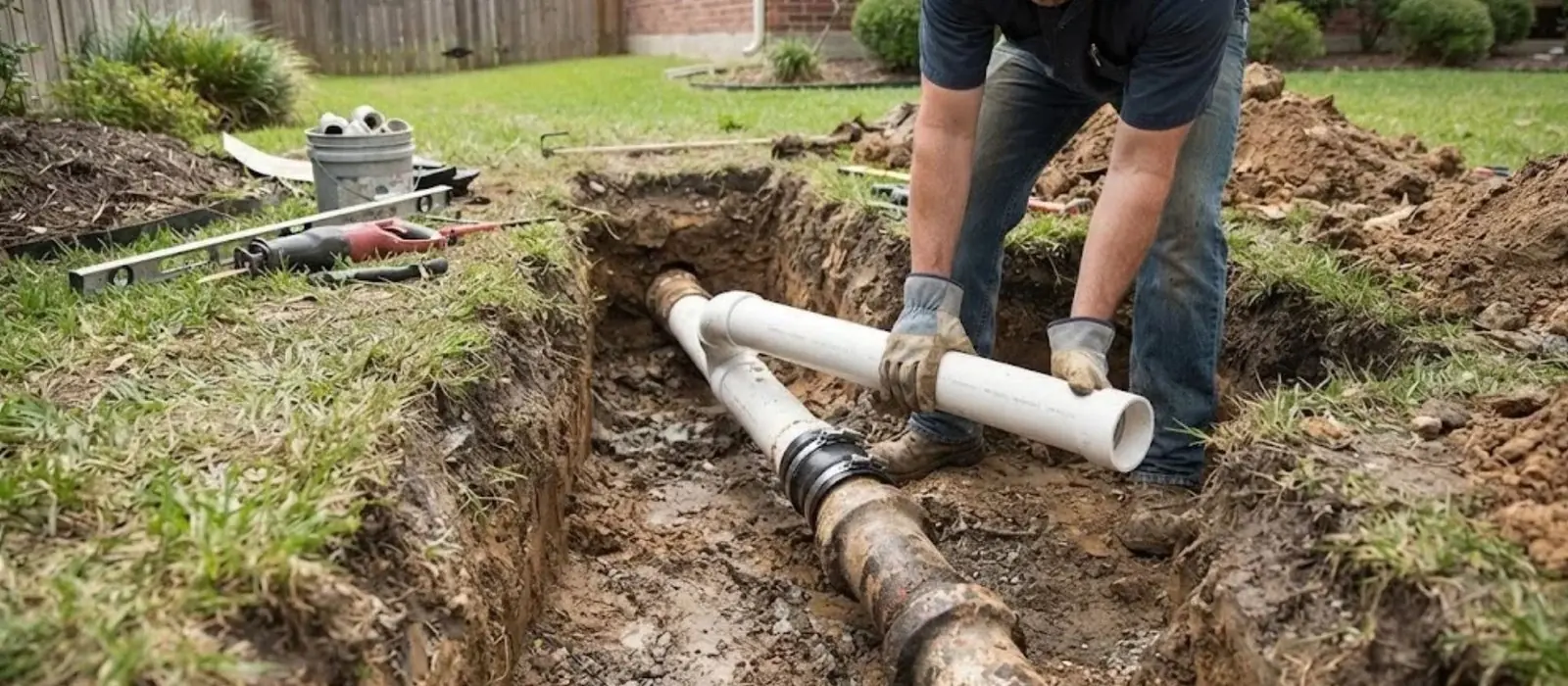
.Sewer line repair Chanhassen households need begins with an urgent state: wastewater coming up through a drain, a toilet that burbles and fills, or a basement floor with gray water spreading across it. Sewer line repair means fixing a damaged, shifted or collapsed pipe that carries waste from the house toward the city main. The 24/7 line is open now.
- Stop all water use. No flushing, showers, laundry or dishwasher.
- Keep people and pets out of the wet area. Sewage carries bacteria.
- Cut power to a flooded basement at the breaker panel only when you can get to it on dry footing. Otherwise leave it and tell dispatch.
- Do not pour chemicals into any drain. They will not fix a broken pipe and they hurt whoever handles the water.
- Call the 24/7 line and describe what is backing up and where.
Take photos before cleanup starts. Insurers and adjusters ask for evidence, and sewage does not wait. If the backup turns out to be a plain blockage rather than a broken pipe, the crew may start with jetting or a cable, then run a camera to see whether a repair is still needed.
What breaks sewer lines in Minnesota
.Roots are the usual culprit. They find tiny joint gaps and grow into the pipe, thickening until paper and waste catch on them. Over time the roots pry the joint open further.
Other causes include a sagging or bellied section where soil settled, offset joints, and cast iron that rusts from the inside in older houses. Grease builds up in any rough spot. And in a cold climate, frost heave can shift soil enough to pull a joint apart.
Chanhassen incorporated as a city in 1967 and most houses came after, so the lateral under your yard is often plastic instead of clay. That helps against root intrusion, but poor bedding or a shifted joint can still cause trouble. Older lots near downtown may still have materials that wear out sooner, which is why age and material are the first things to ask about.
How a camera finds the fault
.Guessing about a buried pipe leads to digging in the wrong place. A plumber feeds a small camera on a flexible rod through a cleanout, watches the pipe on a screen, and uses a locator to mark the surface above any defect. The video shows roots, cracks, offset joints, sags and the pipe material.
Ask for the recording. It tells you where the problem is, how deep, and how far from the house. You can read more on the sewer camera inspection page. If a blockage hides the pipe, the line may need to be cleared first, which the sewer line cleaning page covers.
Repair options and when each fits
.| Method | Best when | Trade-offs |
|---|---|---|
| Spot dig and replace. | One short bad section, clear access. | Digs a small trench and restores the yard. Does not help the rest of the pipe. |
| Cured-in-place lining. | Pipe is cracked or root-prone but still holds its shape. | Little digging. Does not fix a collapsed or badly sagging pipe, and needs a cleaned line first. |
| Pipe bursting. | Whole run is failing, the path is clear. | Pulls new pipe through the old. Needs entry and exit pits. Not every pipe type or layout suits it. |
| Full replacement by open trench. | Collapsed, bellied or badly offset pipe. | Most disruption, most certainty. Allows regrading to fix the sag. |
No single method is best. A plumber should explain why one suits your pipe, what each costs in time and yard damage, and what a failure looks like. Compare any quote with the camera video in hand.
Dispatch can book a licensed plumber to run a camera down the line, walk you through the repair choices, and state the price before any digging begins.
Who owns which part of the line
.A homeowner usually owns the lateral from the house to the point where it joins the city main, though the exact line varies. The city owns and maintains the main in the street. If the blockage or break is in the main, the city responds.
A repaired sewer line is measured against the code, not only against how clean the trench looks. Since the state rules lean on the Uniform Plumbing Code (UPC), expect an inspector to look for approved pipe, tight joints and a fall that lets waste keep moving. Your plumber explains which rules touch the repair, and Chanhassen's building inspectors explain how the inspection is handled.
Do not assume. Ask the city which side of the connection is yours before spending money, and ask whether any right-of-way work needs approval. A plumber can often help you read the situation, but the city decides who is responsible.
Call 811 before the first shovel
.Gopher State One Call is the state's one call center. A phone call or web request to 811 sends locators out to paint the paths of buried gas, power and communications lines. Calling is required before excavation work. It also matters for your safety, because a cut gas line or power cable turns a sewer job into a serious accident.
Trenching and pipe replacement usually bring a permit and an inspection into play, and requirements differ by project, so confirm with Chanhassen's building inspections division before the trench opens. Chapter 4714 of the Minnesota Rules governs the repair, and only licensed plumbers or people they supervise may do it. Search the contractor's name in the state license lookup before signing.
Winter, frost and scheduling
.Frozen ground slows excavation, and some repair methods need warmer conditions. A winter job may mean thawing the soil, using a different method, or setting a temporary fix until spring. Ask the plumber what is safe now and what can wait.
If a broken pipe is leaking sewage into the ground or house, waiting is rarely a good idea. A line that is only slow and has been camera checked may allow a planned spring schedule.
City sewer or private septic?
.Most Chanhassen homes are on city sewer, but some properties in Carver and Hennepin county suburbs sit outside a sewer district and use a septic system. A plumber works on the house side, the pipes from fixtures to the tank. Septic tank pumping and drain field work are a different trade.
Know which you have before you call. If you pay a sewer bill to the city, you are on public sewer. If not, tell dispatch, so the right equipment arrives.
Dispatch also covers nearby towns such as Victoria, where the city runs water, sewer and stormwater. Homes at the edge of any service area are the ones most likely to be on a private system, so confirm with the city if you are unsure.
What drives sewer repair pricing
.Sewer jobs vary more than almost any plumbing work. A clear price before work starts matters, and the camera video is how you check the scope.
Homeowner's insurance often excludes the cost of repairing a pipe worn out by age or roots, but some policies cover resulting water damage, and some carry a sewer backup rider. Read your policy and call your agent early.
A firm figure starts with the camera video, so book that look through dispatch and let the footage set the scope.
What to document for your insurance claim
.- Date and time you first noticed the backup.
- Photos and video of affected rooms, belongings and the drain.
- The camera recording and any written summary from the plumber.
- Receipts for cleanup, hotel stays and emergency work.
- Names and phone numbers of anyone who inspected the damage.
Work with the plumber to describe the cause in plain words. A claim that says root intrusion at a joint reads differently from one that says pipe collapse.
Sewer line repair questions
.Yes. Dispatch is open 24/7, including holidays.
At night the first goal is usually to stop the sewage and make the house safe. A full repair, with locates and excavation, is often scheduled once daylight and 811 markings are in place.
Several fixtures acting up at once, a basement floor drain backing up, or repeated clogs after cable cleaning all point at the main line.
A camera finds the answer.
They usually enter through an existing gap and then widen it. Clay and old joints are most vulnerable.
A repair removes the opening and the roots.
For a pipe that is cracked but round and flowing, lining is a solid option with little digging. For a collapsed or sagging pipe, it is not.
The camera video decides.
The city usually handles the main. The homeowner usually owns the lateral up to the connection, though this varies.
Ask the city before assuming.
A plumber can work on the house side of the system, up to the tank. Pumping and drain field work belong to septic contractors.
Often yes, depending on the work. Describe the scope to the city's inspectors before you schedule, since requirements shift from one project to the next.
Only a camera-checked, minor problem can. Active leaks or backups should not wait.
Ring dispatch now. A licensed plumber can send a camera down the pipe, go over every repair route with you, and put the price in front of you before anyone digs.
Before we arrive at a sewer backup
.These steps help the crew start working quickly.